

Table of Contents
- What Makes Low Latency Wireless Gaming Headsets Essential for Competitive Play
- 2.4GHz vs Bluetooth Gaming Headsets: Connection Types Explained
- Low Latency Wireless Gaming Headsets Compared: Quick Specs and Pricing
- How to Reduce Audio Lag in Gaming: Practical Setup and Optimization
- Best Wireless Gaming Headset Battery Life: Runtime and Charging Specs
- Sound Quality, Microphone Performance, and Comfort for Extended Gaming Sessions
- Choosing the Right Low Latency Wireless Gaming Headset for Your Setup
- Frequently Asked Questions
Last Updated: October 9, 2026
What Makes Low Latency Wireless Gaming Headsets Essential for Competitive Play
Low latency wireless gaming headsets are critical for competitive players because audio delay directly impacts reaction time and situational awareness. When sound reaches your ears milliseconds after the in-game event, you're already behind.
The difference between a 20ms delay and a 40ms delay isn't just noticeable, it's measurable in competitive outcomes. For FPS games, real-time sound cues tell you where enemies are moving. For strategy games, audio synchronization with on-screen action prevents costly mistakes.
What separates the best wireless gaming headsets from the rest comes down to three factors: connection stability, audio synchronization, and build quality. A dedicated wireless adapter delivers lower latency than Bluetooth. A sturdy headband survives eight-hour gaming marathons. A clear microphone means teammates hear you, not background noise.
We'll walk you through the connection types that matter, compare MIIGRE's lineup across budget and premium tiers, show you how to optimize your setup for minimal audio delay, and help you choose the right headset for your platform and playstyle.
2.4GHz vs Bluetooth Gaming Headsets: Connection Types Explained
The choice between 2.4GHz wireless and Bluetooth fundamentally determines your latency floor. These aren't interchangeable, they operate on different principles and deliver different performance.
2.4GHz wireless uses a dedicated wireless adapter (dongle) that connects directly to your PC or console. The headset communicates only with that adapter, not with other devices.
Bluetooth is a multi-device standard designed for convenience, not speed. Your headset can connect to your phone, tablet, and PC simultaneously. Latency typically ranges from 20-40ms depending on the codec and device.
The key insight most guides miss: Bluetooth latency varies wildly by codec. Check the specification sheet, it matters.
For competitive FPS gaming, 2.4GHz wireless is the standard choice. For console gaming, both work depending on your console's wireless support.
[MIIGRE's Bluetooth Dual-mode Wireless TV Headphones With Low Latency](https://www.miigre.com/products/bluetooth-dual-mode-wireless-tv-headphones-with-low-latency) bridges this gap with multiple connection options and a 20-20k Hz frequency response, giving you flexibility across devices while maintaining audio quality.

Low Latency Wireless Gaming Headsets Compared: Quick Specs and Pricing
| Model | Price | Connection | Battery Life | Best For |
|---|---|---|---|---|
| Bluetooth Headset Extra Bass | $39.52 | Bluetooth 5.3 | 8+ hours | Budget e-sports players |
| Gaming Bass Bluetooth | $45.55 | Bluetooth | Universal | Casual gaming, streaming |
| Head-mounted Sports Gaming | $49.90 | Bluetooth 5.0 | 4 hours | Portable, active gamers |
| E-sports Gaming Headset | $49.93 | Wired | N/A | PC competitive gaming |
| Head-mounted Mobile Heavy Bass | $44.59 | Bluetooth 4.0 | Varies | Mobile gaming, calls |
| Camouflage Gaming Headset | $45.89 | Wired | N/A | Console gaming, PS4/PS3 |
| MH86 Esports Professional | $74.89 | Wired | N/A | Streaming, professional use |
| Bluetooth Dual-mode TV Headphones | $92.99 | Bluetooth + Wired | Varies | Multi-device flexibility |
| Active Noise Reduction Gaming | $102.88 | USB 7.1 | N/A | Immersive PC gaming |
Budget-Friendly Options ($39-$49)
The Bluetooth Headset Extra Bass Cellphone Radio Competition Gaming Headset at $39.52 is built for e-sports players on a budget. It features NFC functionality and low-latency e-sports mode, with a 10-meter transmission range and more than 8 hours of battery life. The Jerry chip handles the connection, not modern, but reliable for competitive play.

The Gaming Bass Bluetooth Headphones at $45.55 delivers a 40mm speaker with 20-20K Hz frequency response and includes a microphone for voice chat. It's wireless, universal, and works across devices. The drawback: generic Bluetooth means higher latency than dedicated wireless adapters.
The Head-mounted Mobile Phone Heavy Bass Noise Reduction Gaming Headset at $44.59 targets mobile gamers. Bluetooth 4.0, stereo channel, bilateral audio, solid for smartphone gaming where latency tolerance is higher than on PC.
Mid-Range Performers ($44-$74)
The Head-mounted Sports Running Ears Retractable Computer Gaming Headset at $49.90 combines Bluetooth 5.0, active noise reduction (15-20 decibels), and a 250mAh rechargeable battery. Four hours of usage time is short for marathon sessions, but the 300-hour standby time and retractable design suit portable gamers.
The E-sports Gaming Headset at $49.93 is a wired option for PC gamers. Wired eliminates latency entirely, zero wireless delay. If you're competitive and stationary, this removes variables.
The Camouflage Gaming Headset at $45.89 is wired with a 50mm subwoofer, omnidirectional microphone (36dB), and 3.5mm connector. It's compatible with PS4, PS3, Switch, and PC. The aesthetic is divisive, but the specs are solid for console gaming.
The MH86 Headwear Esports Professional With McWired Headphones at $74.89 steps into professional territory. A 50mm drive unit, omnidirectional microphone, and 20Hz-20kHz frequency response make it suitable for streaming and competitive play. The 2-meter cable is standard for desk setups.
Premium and Specialized Models ($92-$102)
The Bluetooth Dual-mode Wireless TV Headphones With Low Latency at $92.99 is the standout here. It offers both Bluetooth and wired connectivity with multiple cables (fiber optic, 3.5mm audio, AUX). The 40mm speaker, 108dB sensitivity, and 20-20k Hz frequency response deliver immersive audio. The multi-mode design suits players who switch between devices.
The Active Noise Reduction For Gaming Computers, Esports, And Headworn Gaming Headphones at $102.88 is the premium choice. USB 7.1 interface, 50mm horn unit, and braided wire construction target serious gamers. Active noise reduction cuts distractions, critical for competitive focus.
Finally, the KP-H105 Best-Selling Over-Ear Bluetooth Headphones Sports-Ready Noise-Canceling Low-Latency Gaming Long Battery Life at $48.31 offers 15 hours of working time on a 300mAh battery, 10-meter transmission range, and Jerry 5.3 chip. The 40mm speaker and noise-canceling design make it a workhorse for extended sessions.

How to Reduce Audio Lag in Gaming: Practical Setup and Optimization
Audio delay comes from three sources: the headset itself, your device's audio driver, and your game's audio settings. Fixing lag requires addressing all three.
Check your headset's latency specification. Most manufacturers list it in milliseconds. Anything under 20ms is competitive-grade. Anything above 40ms introduces noticeable delay.
Update your audio drivers. Windows and console audio drivers get updates that improve low-latency performance. Check for updates monthly if you're serious about competitive gaming.
Disable surround sound processing. 7.1 surround and Dolby Atmos add processing layers that increase latency. For competitive play, switch to stereo. You lose immersion but gain speed.
Lower your game's audio buffer. Most games let you set buffer size in audio settings. A smaller buffer means faster audio output.
Use a dedicated wireless adapter, not Bluetooth. If your headset supports both, choose the adapter. Bluetooth adds 20-40ms; a dedicated adapter adds 1-8ms.
Common mistake: blaming your headset when the problem is your setup. Test each variable independently.
Best Wireless Gaming Headset Battery Life: Runtime and Charging Specs
Battery life determines whether your headset survives a tournament, a streaming marathon, or a casual evening.
KP-H105 Best-Selling Over-Ear Bluetooth Headphones Sports-Ready Noise-Canceling →
The KP-H105 leads with 15 hours of working time and 2-hour charging. The 300mAh battery is efficient, it delivers endurance without bulk.
The Bluetooth Headset Extra Bass promises more than 8 hours, adequate for an evening session. The Jerry chip keeps power consumption low.
The Head-mounted Sports Running model offers 4 hours of music playing time on a 250mAh battery. Short, but the 300-hour standby time means it holds charge between sessions.
For streaming or tournament play, prioritize models with 8+ hours of runtime. Anything under 4 hours requires mid-session charging, which breaks your flow.
Wired models eliminate battery concerns entirely. The E-sports Gaming Headset, Camouflage Gaming Headset, and MH86 Professional draw power from your device. No charging, no dead battery mid-match.
Sound Quality, Microphone Performance, and Comfort for Extended Gaming Sessions
Sound quality in gaming headsets balances frequency response, speaker size, and impedance. A 40mm speaker is standard, large enough for detail, small enough for comfort.
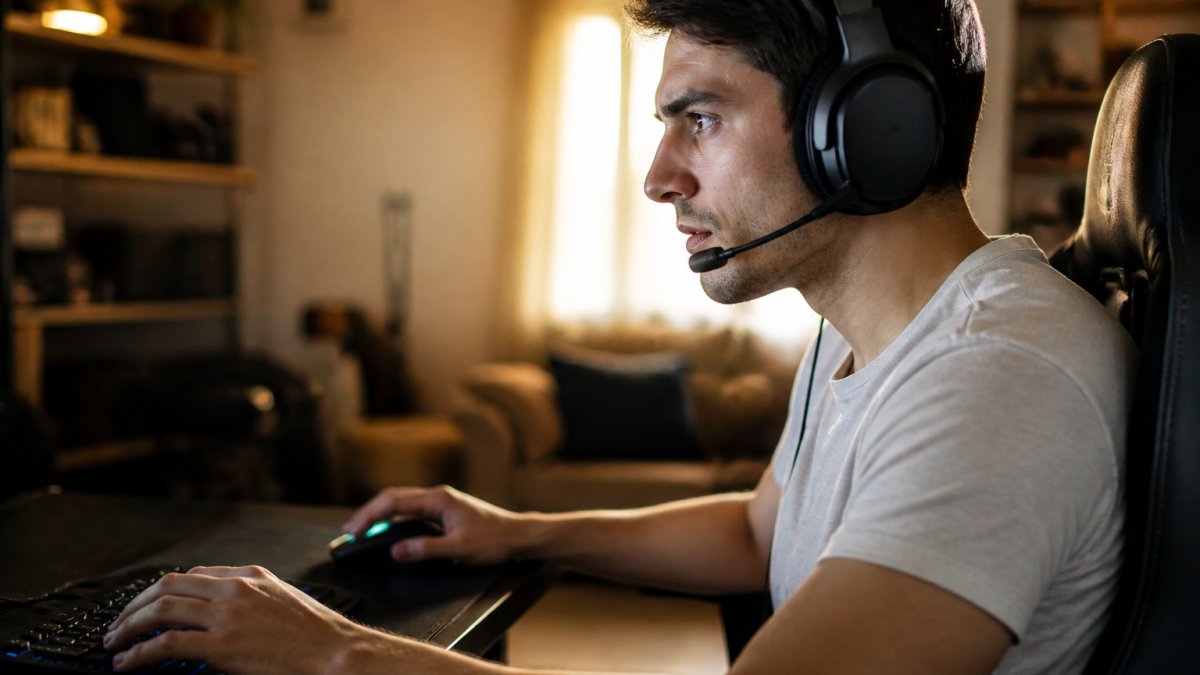
The Bluetooth Dual-mode TV Headphones delivers 20-20k Hz response with 108dB sensitivity, meaning it reproduces subtle audio cues clearly.
The Active Noise Reduction Gaming Headphones adds a 50mm horn unit and 50-20kHz response.
The MH86 Professional features a 6.6mm omnidirectional microphone with -42dB sensitivity. That spec means it captures voice clearly without amplifying background noise.
The Camouflage Gaming Headset includes a 36dB omnidirectional condenser microphone.
Comfort is non-negotiable for gaming marathons. Over-ear designs distribute weight across your head, reducing ear fatigue.
The KP-H105 is over-ear with noise-canceling, designed for extended wear.
The Head-mounted Sports Running includes active noise reduction and a retractable design, balancing comfort with portability.
Common mistake: assuming heavier headsets are more durable. Weight doesn't equal quality, material choice and design do.
Choosing the Right Low Latency Wireless Gaming Headset for Your Setup
Your platform determines which low latency wireless gaming headsets make sense. PC, console, and mobile gaming have different requirements.
For PC competitive gaming: Choose wired or 2.4GHz wireless. The E-sports Gaming Headset or MH86 Professional eliminate latency entirely.
For console gaming: PlayStation and Xbox support both wired and Bluetooth. The Camouflage Gaming Headset works with PS4, PS3, and Switch. The Bluetooth Dual-mode TV Headphones bridges console and TV audio with multiple connection options.
For mobile gaming: Bluetooth is your only option. The Head-mounted Mobile Heavy Bass or Bluetooth Headset Extra Bass are designed for phones.
For streaming: You need a microphone that isolates your voice from game audio. The MH86 Professional is built for this, professional-grade microphone, comfortable for 6+ hour streams, and wired reliability.
Ask yourself three questions:
- Do I need wireless, or can I use a cable? (Cable = zero latency)
- How long are my gaming sessions? (Short = less comfort priority; long = comfort critical)
- Do I stream or record? (Yes = microphone quality matters; no = focus on headphone audio)
Your budget tier should match your commitment level. Casual players get value from budget models ($39-$49). Serious competitors justify mid-range ($49-$75). Streamers and professional players may consider premium options ($92+).
Frequently Asked Questions
What is the difference between Bluetooth and 2.4GHz wireless for gaming?
Bluetooth uses a shared frequency band (2.4GHz) but with different protocols and higher latency, typically 40-100ms. Dedicated 2.4GHz wireless adapters (dongles) offer lower latency, often 1-20ms, because they establish a direct connection without competing with other devices. For competitive gaming, 2.4GHz wireless adapters are faster and more stable, while Bluetooth works for casual play and content consumption.
Do wireless headsets lag compared to wired ones?
Modern low latency wireless gaming headsets have latency under 20ms, which is imperceptible during gameplay. Wired headsets have zero wireless latency but add cable management hassle. The real difference is connection stability: wireless can suffer interference if too many devices share the 2.4GHz band, while wired connections are always stable. For competitive FPS gaming, a quality wireless headset with a dedicated adapter (not Bluetooth) performs as well as wired.
How do I know if a wireless gaming headset is actually low-latency?
Check the product specifications for latency claims, typically listed in milliseconds (ms). Low latency for gaming means under 20ms. Look for dedicated 2.4GHz wireless adapters rather than Bluetooth-only models. Test with your specific gaming platform (PC, console, mobile) because latency varies by device and codec. MIIGRE's low latency gaming headsets, like the KP-H105 and Bluetooth Dual-mode Wireless TV Headphones, are tested for gaming performance.
What battery life should I expect from a wireless gaming headset?
Budget wireless gaming headsets typically offer 4-8 hours of playback, while mid-range models provide 10-15 hours. Premium options can reach 20+ hours. The KP-H105 delivers 15 hours of working time with a 2-hour charge, and the Head-mounted sports running ears model offers 4 hours of music playing time. Choose based on your gaming sessions: casual players benefit from 8+ hours, while competitive gamers should prioritize models with 15+ hours to avoid mid-tournament charging.
Are MIIGRE's low latency wireless gaming headsets compatible with multiple devices?
Most MIIGRE wireless gaming headsets support multiple platforms including PC, console, and mobile. Models with Bluetooth and 3.5mm connectivity (like the Bluetooth Dual-mode Wireless TV Headphones) offer flexibility across devices. Check individual product specifications for your platform: some are optimized for PC gaming, others for console or mobile. The Camouflage gaming headset is compatible with PS4, PS3, Switch, and computers, making it versatile for multi-device gamers.
At MIIGRE, we believe the right audio gear transforms your gaming experience. Our curated selection of low latency wireless gaming headsets balances performance, comfort, and price. Whether you're chasing competitive rankings or enjoying immersive storytelling, choosing headphones that match your platform and play style makes the difference. Explore our full lineup and enjoy free worldwide shipping on every order as you find the perfect headset for your setup.